
In context
By late 2025, autonomous delivery robots had proven themselves in controlled campus environments, with Grubhub and Avride completing over 100,000 deliveries at U.S. universities. The next frontier was expanding into dense urban markets, where sidewalk navigation and integration with multi-restaurant platforms posed new challenges.
What was reported
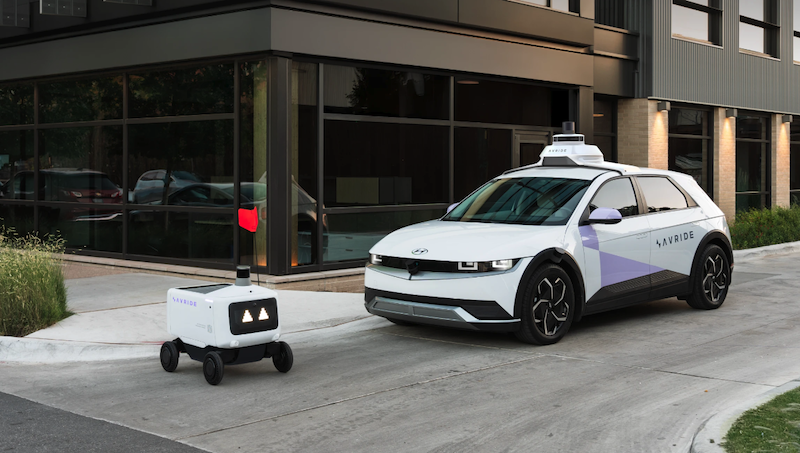
Grubhub announced an expanded partnership with Avride to launch a robot delivery pilot for customers ordering from Wonder's Jersey City location. This marks the first time Grubhub offers autonomous delivery in its marketplace outside college campuses, and the first time Wonder brings robot delivery to its customers.
During the pilot, customers ordering from Wonder through Grubhub can choose robot delivery if their address is within a set range. Wonder's multi-restaurant model, featuring over 20 concepts like Alanza and Tejas Barbecue, provides a variety of made-to-order dishes, pairing well with robot efficiency.
The pilot uses Avride's most advanced robots, featuring AI-powered navigation proven in urban environments and diverse weather, plus a four-wheel chassis capable of near-instant 180-degree turns for maneuverability on busy sidewalks. Following the pilot, Grubhub plans to expand autonomous delivery to additional markets nationwide.
“This pilot represents the next step in our mission to provide diners with fast, reliable, and delightful delivery experiences.”
Why it mattered
This expansion signaled a shift from campus trials to commercial urban deployment, demonstrating that autonomous delivery can integrate with complex marketplace platforms and multi-brand kitchens, potentially reshaping last-mile logistics for the broader food service industry.
Source: Robotics & Automation News (roboticsandautomationnews.com) · Published 2025-10-27 · “Grubhub expands partnership with Avride to bring autonomous delivery robots to its marketplace”