
In context
In mid-2025, the humanoid robotics sector was rapidly expanding beyond industrial applications into service-oriented roles, with a growing emphasis on social interaction and emotional engagement. Realbotix, a US-based company specializing in 'emotional AI', positioned its Aria robot to capitalize on this trend by enhancing its communication capabilities for a global market.
What was reported
Realbotix introduced multilingual functionality to its Aria humanoid robot, enabling real-time communication in 15 core languages and over 147 dialects. The upgrade is designed to broaden Aria's applicability across industries such as hospitality, healthcare, education, and entertainment.
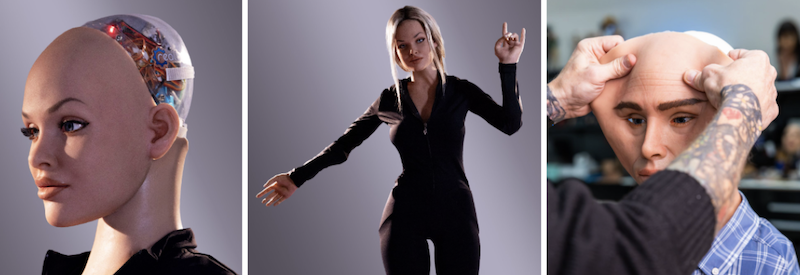
Aria features a modular design with lifelike synthetic skin and 14 or more expressive actuators, combining speech and emotion recognition with cloud-based language support. Pricing ranges from $10,000 for a bust model to $175,000 for a full-size humanoid, according to the company.
Realbotix CEO Andrew Kiguel stated that the upgrade allows Aria to 'build emotional rapport across cultures', differentiating it from robots focused on manufacturing or logistics. The company has not disclosed sales figures but noted that Aria is already deployed in airports, hospitals, and shopping malls.
Why it mattered
This development underscored a shift in humanoid robotics from task-oriented automation to socially adaptive service platforms. By enabling cross-cultural communication, Realbotix aimed to make humanoids viable in roles requiring nuanced interpersonal interaction, potentially expanding the market beyond traditional industrial settings and influencing future design priorities in the sector.
"The upgrade allows Aria to build emotional rapport across cultures."
Source: Robotics & Automation News (roboticsandautomationnews.com) · Published 2025-07-30 · “Realbotix adds multilingual functionality to its Aria humanoid robot”