
In context
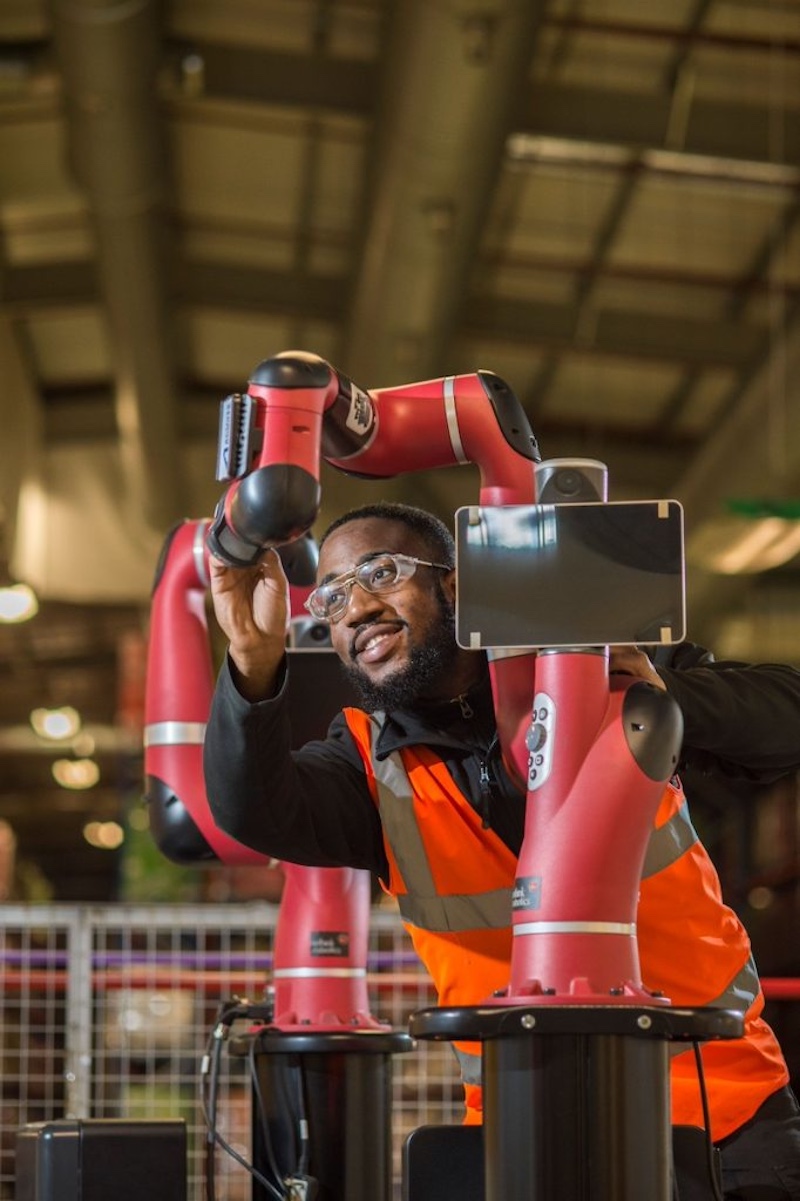
In mid-2025, labor shortages and rising operational costs were pushing manufacturers and logistics operators to supplement human workforces with robotics. Gartner's prediction highlighted a strategic shift: managing robot fleets would become a core competency for supply chain leaders, not just an engineering niche.
What was reported
Gartner forecast that by 2030, 80% of humans will engage with smart robots daily, and one in 20 supply chain managers will manage robots rather than humans. Chief supply chain officers (CSCOs) identified smart robots as a key investment area, but many admitted lacking internal robotics expertise to fully leverage the technology.
As robot fleets expand, companies will need new management structures. Initially, technical professionals may oversee specialized fleets, but as use cases diversify, dedicated management becomes essential. Managers will need a general technical understanding of robot capabilities and interactions with other robots and people, though not engineering skills to build them.
Gartner advised companies to develop a robotics competency center, create a holistic warehouse automation strategy, manage the entire robotics journey from knowledge gathering to maintenance, and implement governance covering robot selection, service-level agreements, pricing, and cybersecurity standards.
“The journey toward adopting robotics will be valuable, but also challenging, and requires organizational support.”
Why it mattered
The prediction signaled that robotics management would evolve from a specialized role into an integrated function across supply chain operations, similar to how IT matured. For industrial automation, this meant companies needed to prepare organizational structures and skill sets to harness growing robot fleets effectively, ensuring safety and efficiency in mixed human-robot environments.
Source: Robotics & Automation News (roboticsandautomationnews.com) · Published 2025-07-16 · “Gartner predicts one in 20 supply chain managers will manage robots, not humans, by 2030”