
In context
In late 2023, collaborative robots were gaining traction in manufacturing for tasks like palletizing, where speed, payload, and reach were critical. Universal Robots, a market leader, had recently launched the UR20, its next-generation cobot with a longer reach and heavier payload, aiming to expand the scope of automation in industries that previously relied on manual labor or traditional industrial robots.
What was reported
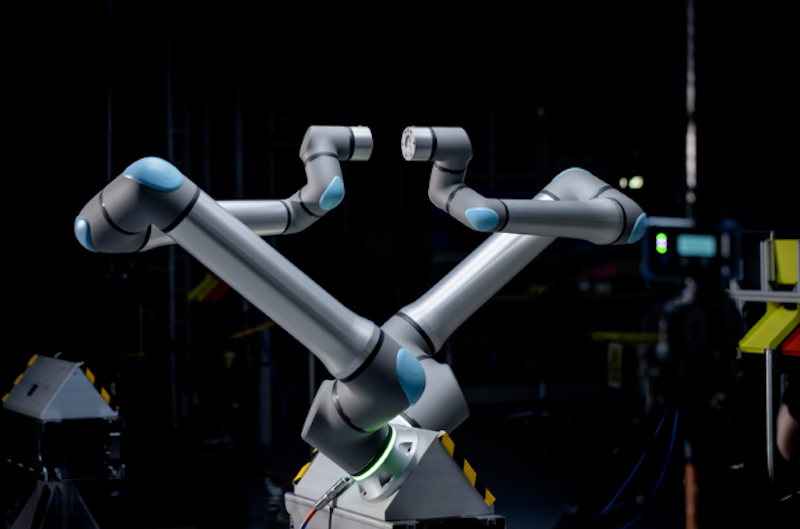
Universal Robots announced it would double production capacity for its UR20 collaborative robot due to higher-than-expected demand. The UR20, featuring a 1750 mm reach and 20 kg payload, was designed to handle more tasks and fit more applications than earlier models, while maintaining the company's hallmarks of versatility, usability, and a small footprint.
The company stated that order fulfillment for Q4 was still possible, encouraging manufacturers to submit orders promptly to take advantage of end-of-year tax incentives. Bryan Bird, president of Americas at Universal Robots, noted the strategic decision to ramp up production faster than initially planned in response to rapid adoption.
Early adopters included Bob's Red Mill, a whole grain manufacturer, which used the UR20 for palletizing tasks that previously required four operators. Ornua Ingredients, part of an Irish dairy co-operative, deployed the UR20 in end-of-line palletizing, citing improvements in consistency and productivity.
“The benefits of its deployment have been nothing short of brilliant, with increases in consistency and productivity boosts very clear to see.”
Why it mattered
The UR20's success signaled a shift in the cobot market toward higher-payload, longer-reach applications, potentially expanding collaborative automation into new sectors and tasks that were previously beyond the scope of smaller cobots. This trend could influence future cobot designs and manufacturing strategies across the industry.
Source: Robotics & Automation News (roboticsandautomationnews.com) · Published 2023-12-17 · “Universal Robots doubles UR20 production ‘due to demand’”