
In context
In late 2023, as ecommerce volumes remained high and peak season approached, logistics operators were under pressure to modernize networks for speed and cost-efficiency. Pitney Bowes, a major shipping and mailing services provider, was among those investing heavily in automation to handle growing parcel volumes and returns.
What was reported
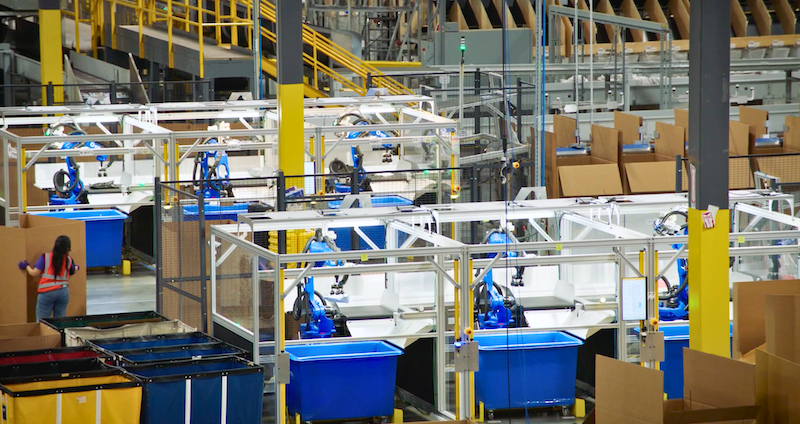
Pitney Bowes announced it was strengthening its domestic parcels network by shifting from older, manual sites to modern, fully automated logistics hubs. The company opened next-generation ecommerce hubs in Chicago and Columbus, Ohio, to meet demand for faster, more predictable delivery and returns across the Midwest and its national network.
New automation included AmbiSort AI-powered robotics for parcel sortation in middle-mile operations and Plus One Induction Robots for pick-and-place tasks. These targeted repetitive, physically demanding processes such as interfacility sortation, zone skipping, and reverse logistics.
The company also expanded regional delivery service to over 20 major cities in the Southeast and Southwest, reaching ~240 million consumers within three days. As a result, Domestic Parcel volumes grew 38 percent year-over-year in Q3, with the highest client Net Promoter Score for that segment.
“We are entering peak season with a network that is faster and more efficient than ever before.”
Why it mattered
This case illustrated a broader trend of logistics providers adopting AI-driven robotics for specific, labor-intensive tasks rather than full-line automation, enabling scalable network improvements and cost-effective regional delivery models that could reshape ecommerce fulfillment strategies.
Source: Robotics & Automation News (roboticsandautomationnews.com) · Published 2023-11-16 · “Pitney Bowes ‘strengthening’ automation across its entire logistics network”