
In context
In late 2023, autonomous mobile robots were gaining traction in industrial settings for inspection tasks, promising to improve efficiency and safety while reducing operational costs. This partnership between a major technology group and a leading legged-robot developer highlighted the trend toward integrating cloud-based fleet management with rugged, terrain-capable robots.
What was reported
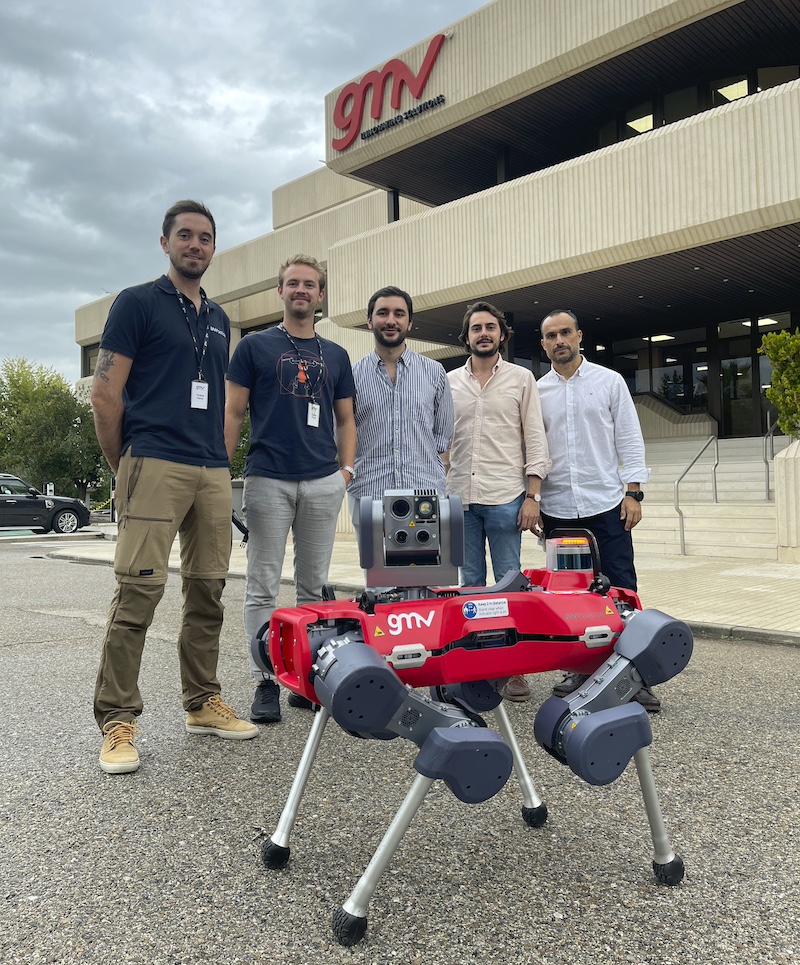
GMV, a multinational technology company, and ANYbotics, a developer of autonomous inspection robots, announced a strategic partnership to enhance automated industrial inspections. The collaboration integrates GMV's cloud-based autonomous robot movement solution, uPathWay, with ANYbotics' ANYmal quadruped robot, enabling outdoor navigation and real-time fleet optimization.
The integration combines GNSS-based precise location with dynamic routing, allowing ANYmal to handle complex outdoor inspection tasks across industries. Benefits cited include process optimization, real-time data collection for predictive maintenance, cost reduction, and extended asset life. The robots can also navigate remote or hazardous areas, reducing the need for human presence and lowering carbon footprint.
GMV offers ATEX-certified solutions for explosive atmospheres, and ANYbotics emphasizes the strategic fit with its AI-driven autonomous mobility vision. GMV reported revenues over €311 million in 2022, with 10% of turnover invested in R&D.
Why it mattered
This partnership signaled a move toward more versatile, cloud-connected inspection robots capable of operating in demanding outdoor environments, potentially accelerating adoption of autonomous inspection in industries such as energy, chemical, and infrastructure.
“This integration enables ANYmal to efficiently handle complicated outdoor inspection tasks across multiple industries by leveraging the power of a cloud platform to perform multiple tasks.”
Source: Robotics & Automation News (roboticsandautomationnews.com) · Published 2023-11-16 · “GMV and ANYbotics partner to ‘transform industrial inspection’ with autonomous robots”