
In context
In October 2023, the aviation industry was increasingly exploring automation to enhance operational efficiency and passenger experience. Munich Airport, a major European hub, had already implemented various digital and robotic solutions, making this initiative a natural next step.
What was reported
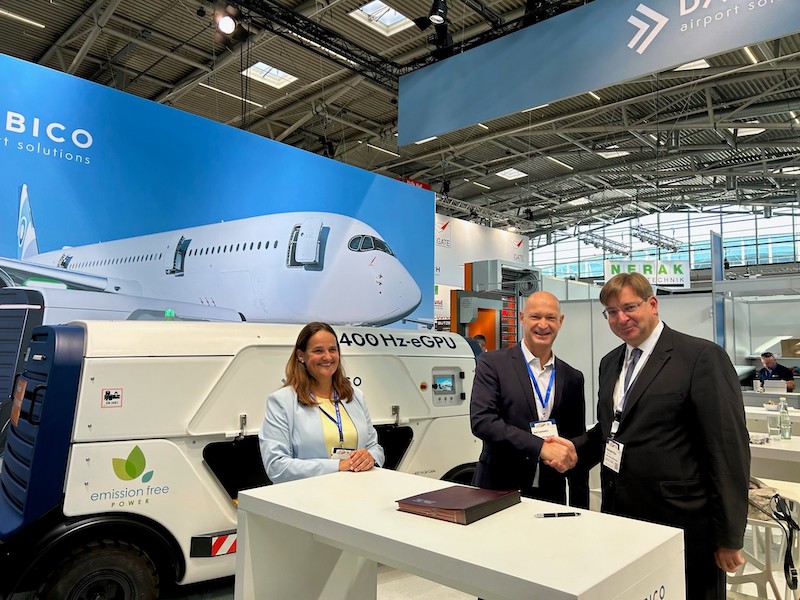
Munich Airport, together with its Terminal 2 subsidiary and Dabico Airport Solutions Germany, signed a letter of intent (LOI) at inter airport Europe 2023 to develop a concept for fully automated passenger boarding bridges. The collaboration will define requirements for autonomous operation and build a pilot system for Munich Airport.
The stated goal is to reduce docking and undocking times, thereby increasing operational reliability and efficiency. Munich Airport CEO Jost Lammers highlighted the project's pioneering nature, while Dabico's Alexander Pfurr noted that the acquisition of FMT in January laid the foundation for developing innovative integrated systems.
This initiative is part of Munich Airport's broader digitalization strategy, which already includes biometric checks, smart trolleys, chatbots, and robotic cleaning.
Why it mattered
Automating passenger boarding bridges represents a significant step toward fully autonomous ground handling, potentially reducing turnaround times and improving safety. This project could set a precedent for other airports seeking to integrate robotics into critical infrastructure.
“With this pioneering project, we aim to reduce the duration of docking and undocking operations for passenger boarding bridges, thereby increasing the operational reliability and efficiency of our handling processes.”
Source: Robotics & Automation News (roboticsandautomationnews.com) · Published 2023-10-10 · “Munich Airport and Dabico agree to develop autonomous passenger boarding bridges”