
In context
In mid-2023, surgical robotics was expanding beyond early adopters, with a push toward smaller, easier-to-use systems that could appeal to a broader range of hospitals and surgeons. Regulatory clearances were key milestones for bringing such technologies to market.
What was reported
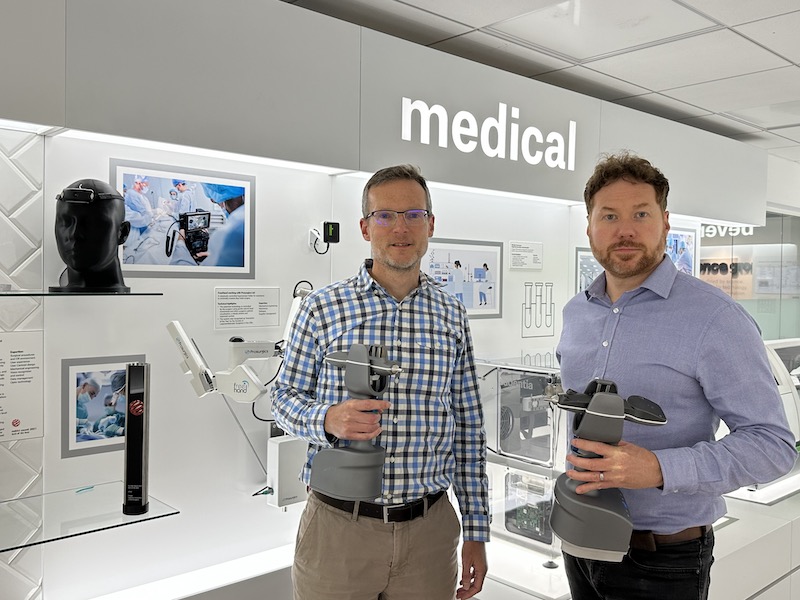
Think Surgical announced that its TMINI Miniature Robotic System received 510(k) clearance from the US FDA. The system includes a wireless robotic handpiece that assists surgeons in total knee replacement by automatically compensating for hand movement to locate bone pins along precisely defined planes based on a CT-derived 3D surgical plan.
Cutting guides are then attached to the pins for accurate bone resection. The TMINI is designed for ease of use and replaces many conventional instruments. Think Surgical plans to maintain an open implant library, adding options over time to appeal to a broader customer base.
Development support came from Sagentia Innovation, which contributed to aspects such as ease of use, sterilization requirements, and battery and power management. The company emphasized the system's potential to open up a new market segment for robotic-assisted surgery.
"By offering an easy to use, miniature robot, we can open up a whole new segment of the market, improving accessibility to more patients."
Why it mattered
The clearance signaled a trend toward miniaturized, user-friendly surgical robots that could lower barriers to adoption, potentially expanding robotic assistance beyond specialized centers to more standard orthopedic procedures.
Source: Robotics & Automation News (roboticsandautomationnews.com) · Published 2023-07-08 · “Think Surgical’s miniature surgical robotic system developed with Sagentia gains FDA clearance”