
In context
In May 2023, sustainable manufacturing was gaining traction in robotics and automation, with startups exploring novel fabrication methods. This partnership highlighted a growing trend of academia-industry collaboration to prepare engineers for advanced, eco-friendly production techniques.
What was reported
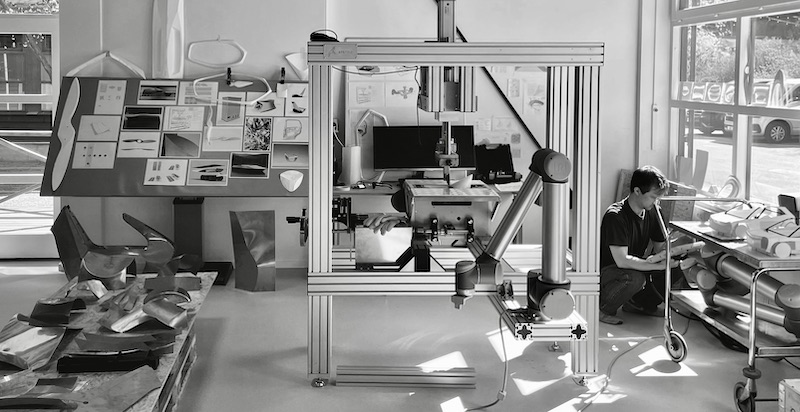
Georgia Tech's School of Civil and Environmental Engineering announced a partnership with Stockholm-based startup Stilfold to enhance its Origami Engineering program. Stilfold specializes in 'industrial origami,' using robots to fold flat sheet metal over curves to create strong, lightweight structures.
The technology is already applied in products like the Stilride 1 electric motorcycle and a climate-neutral car developed with Polestar. The collaboration will integrate Stilfold's curve-folding software and hardware into the curriculum, offering students hands-on experience and potential visits to Stilfold's Stockholm headquarters starting next spring.
The initiative also aims to foster knowledge exchange, with both organizations exploring new technologies in civil and environmental engineering. Stilfold CEO Jonas Nyvang emphasized the value of working with leading educational institutions to develop next-generation engineering skills.
Why it mattered
This partnership underscored the importance of bridging academic research and industrial innovation in sustainable manufacturing. By exposing students to robotic folding techniques, it helped cultivate a workforce adept at reducing material waste and energy consumption, potentially influencing future automation strategies in manufacturing.
“This collaboration represents an exciting opportunity for us to work closely with a leading educational institution to help develop the skills and knowledge of the next generation of engineers.”
Source: Robotics & Automation News (roboticsandautomationnews.com) · Published 2023-05-24 · “Georgia Tech partners with Stilfold to advance ‘industrial origami’ engineering program”